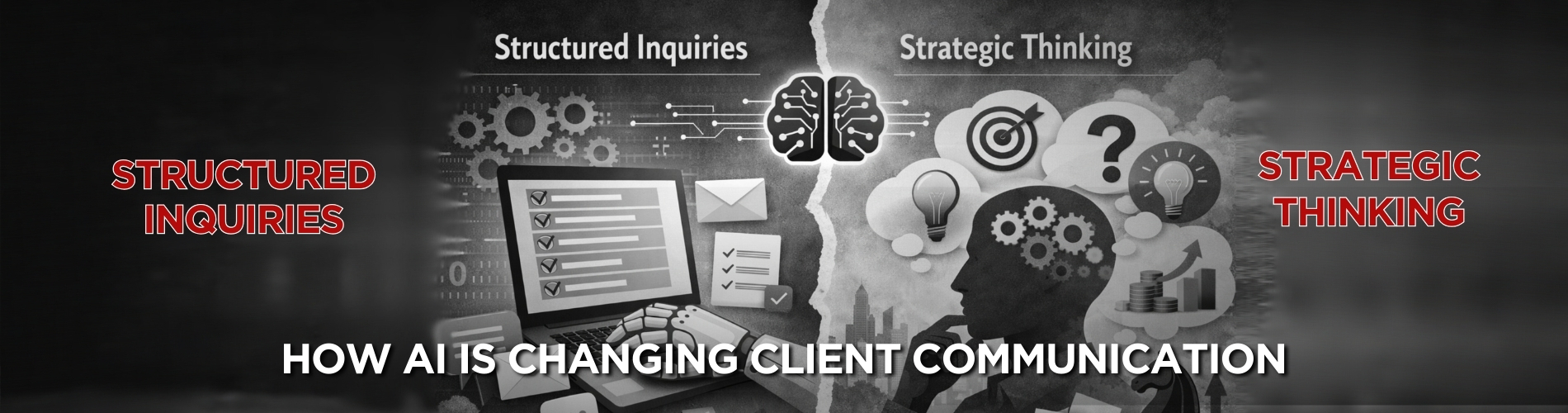
Structured Inquiries vs Strategic Thinking
How AI Is Changing Client Communication
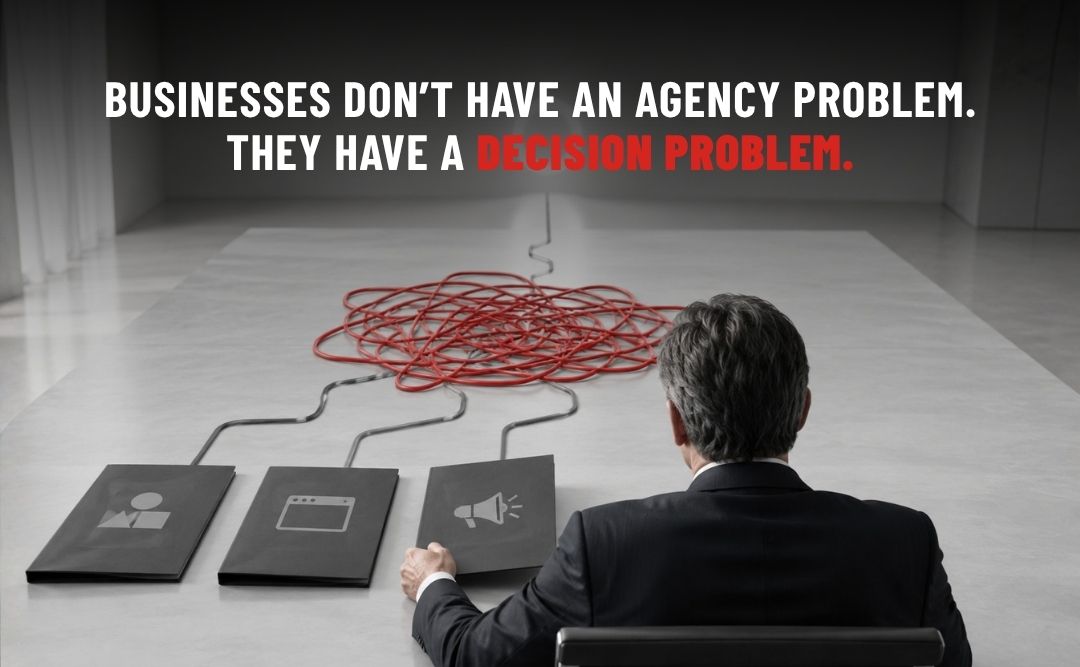
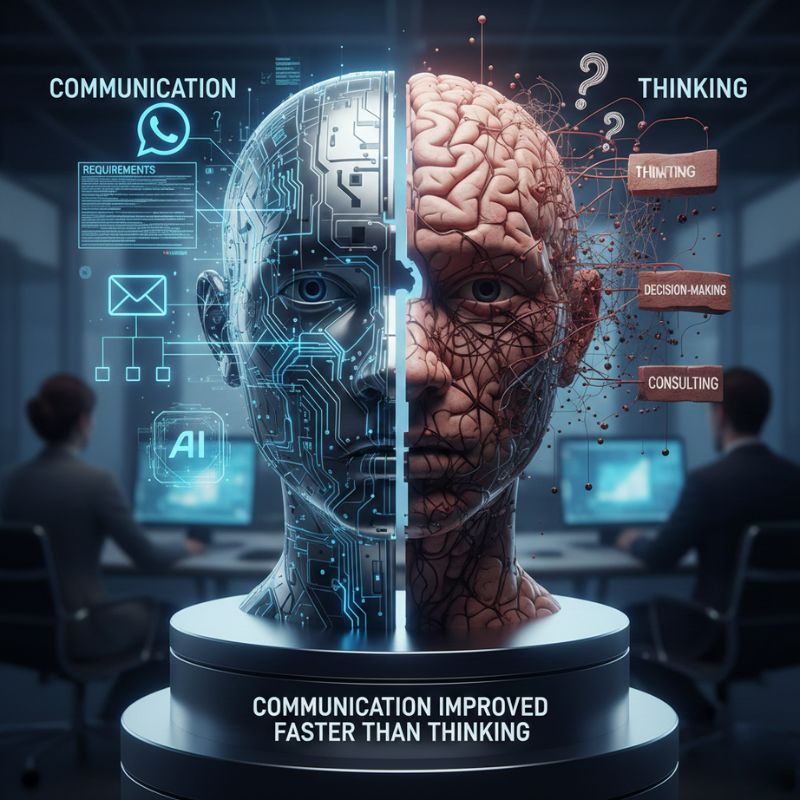
AI can write a perfect inquiry in seconds. But it cannot decide what you truly need, why you need it, and what you are ready to commit to. This article explains why structured client inquiries often look professional while the thinking behind them remains unstructured.
The Shift We Are All Witnessing
Over the last few years, business communication has changed dramatically.
Emails look sharper.
WhatsApp inquiries sound professional.
Requirements arrive neatly structured.
The language feels confident and corporate.
In most cases, this change has one silent contributor: AI.
On the surface, this looks like progress. And to a large extent, it is. AI has reduced language gaps, improved presentation, and helped people express themselves better.
But from a consulting and decision-making perspective, something important has also become visible.
What AI Has Clearly Improved
What AI Has Clearly Improved
Let us acknowledge AI’s strengths without hesitation.
AI is excellent at:
- Structuring thoughts
- Formatting inquiries
- Using correct business terminology
- Presenting requirements logically
- Making even first-time founders sound confident
Today, anyone can send an inquiry that looks like it came from a well-organised company.
From the receiver’s side, such inquiries appear serious and prepared. They signal intent, planning, and maturity.
At least, that is what the language suggests.
Where AI Stops Helping
AI is very good at asking formatted questions.
It is not good at asking reflective questions.
AI helps frame:
- “We need a logo and brand identity.”
- “We want something minimal, modern, and scalable.”
- “We need consistency across platforms.”
What it does not ask is:
- Why is this needed right now?
- What problem are you actually solving?
- What is essential today, and what can wait?
- Are these requirements practical or aspirational?
As a result, inquiries often look complete on paper but remain incomplete in thought.
The Illusion of Readiness
One unintended effect of AI-generated inquiries is the illusion of readiness.
Because the inquiry is well structured, it creates a feeling that:
- The client is clear
- The scope is defined
- The decision is thought through
In reality, many inquiries are only well written, not well processed.
There is a difference between:
- Knowing how to ask and
- Knowing what you are actually asking for
AI bridges the first gap.
The second gap still needs human clarity.
When Structure Replaces Understanding
Another subtle shift AI has introduced is that this structure has started replacing understanding.
Words like:
- Brand identity
- Brand manual
- Do’s and Don’ts
- Minimalistic
- Memorable
- Premium
They are used very comfortably today.
These words are not wrong.
But in branding and design, words without shared understanding create confusion, not clarity.
A structured inquiry is helpful.
A shared understanding is critical.

Why Experienced Professionals Read Between the Lines
Seasoned consultants do not only read what is written.
They pay equal attention to what is missing.
When an inquiry is perfectly formatted but avoids:
- Business context
- Priority definition
- Decision ownership
It raises a silent question.
Is this clarity real, or is it borrowed?
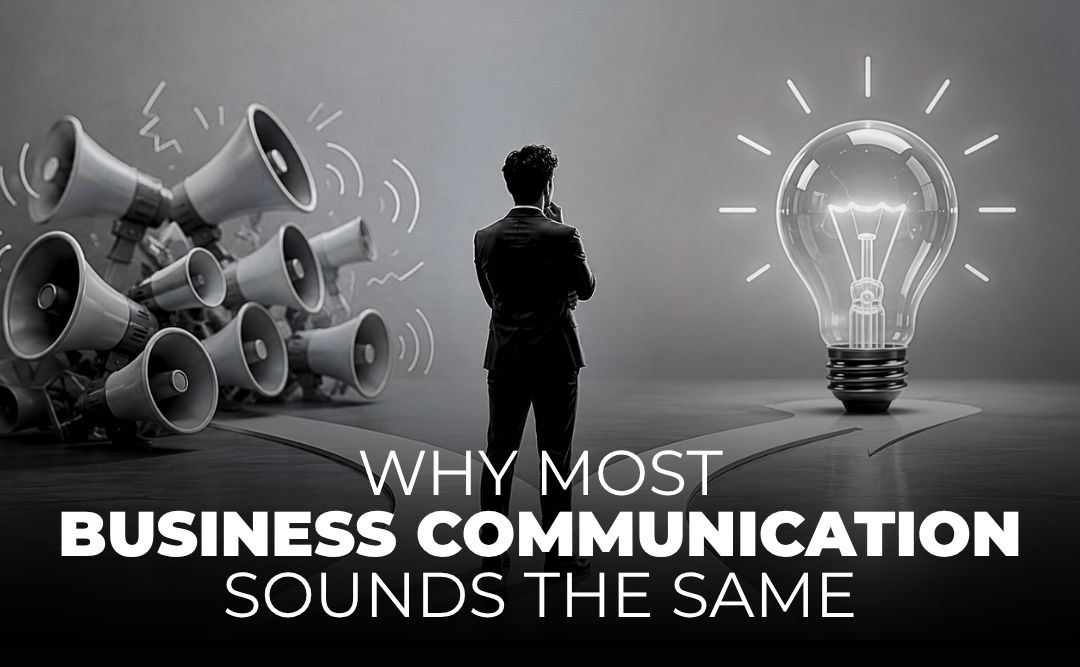
AI makes borrowing language easy.
Ownership of decisions still takes effort.
A Ground Reality Most AI Conversations Ignore
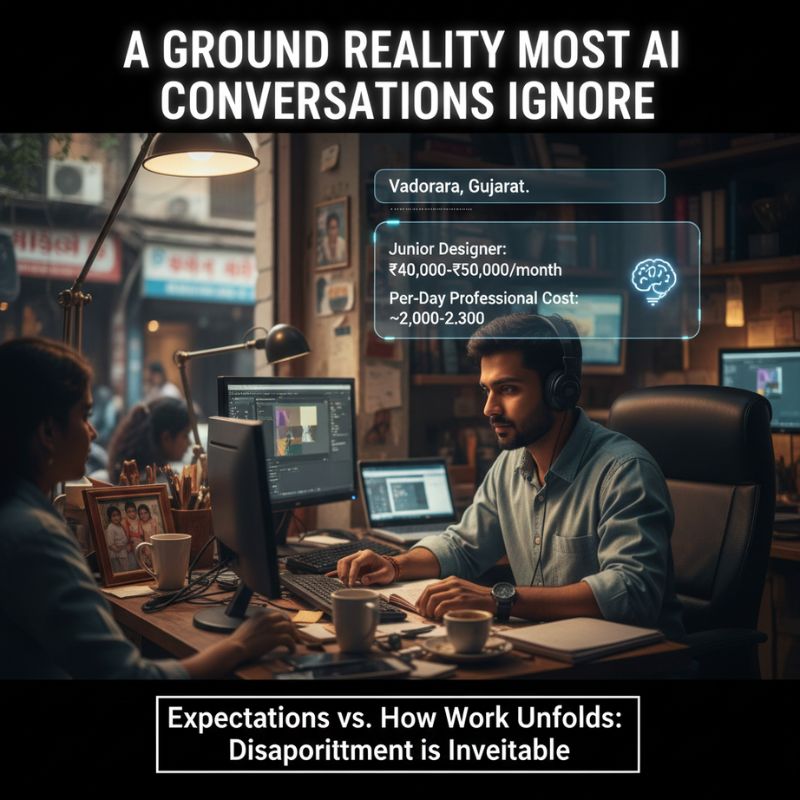
Even in a non-metro city like Vadodara, Gujarat, professional design work carries real human effort, even when the market pricing does not fully reflect it.
The average logo design in India is typically priced between ₹3,000 and ₹5,000, while the actual work involved often spans 4 to 6 working days. This gap is not a complaint about pricing, but an observation about how design work unfolds in reality versus how it is perceived during inquiries.
When inquiries are structured without understanding timelines, iteration cycles, and the effort required for decision-making, expectations and outcomes naturally drift apart. This mismatch exists regardless of whether an inquiry is written casually or polished using AI.
Why This Is Not a “Budget Problem”
This conversation is often misunderstood as a budget issue.
It is not.
It is a thinking alignment issue.
Budget becomes visible only because:
- Time is finite
- People are involved
- Effort is real
If thinking is clear, solutions scale naturally.
If thinking is vague, even simple work feels expensive.
The Automobile Analogy (Because Reality Needs Examples)
Consider this scenario.
Someone studies Mercedes or BMW features in detail.
Understands specifications.
Compares models seriously.
Then walks into a Maruti showroom, discusses those specifications confidently, and walks out without buying any car.
Nothing is wrong with:
- Mercedes
- Maruti
- The brochure
- The showroom
The issue is expectation alignment.
Specifications do not decide a purchase.
Readiness does.
The same applies to AI-structured business inquiries.
AI Is a Powerful Tool, Not a Business Compass
| AI has significantly improved: | What it cannot replace is: |
|---|---|
| Expression | Decision-making |
| Speed | Priority setting |
| Confidence | Responsibility |
| Presentation | Accountability |
Those remain human skills.
AI can help you speak better.
It cannot think on your behalf.

Where Real Consulting Still Matters
In an AI-driven communication environment, the role of a consultant is not to be impressed by structure.
It is to:
Separate presentation from preparedness
Visual Identity System
Translate words into workable scope
Good consulting today is less about execution and more about alignment.
AI can write a perfect inquiry.
AI can structure requirements beautifully.
AI can use impressive words.
But only clarity can turn an inquiry into a real project.
And only alignment can turn a project into real value.
Tools improve communication.
Strategic thinking still drives outcomes.
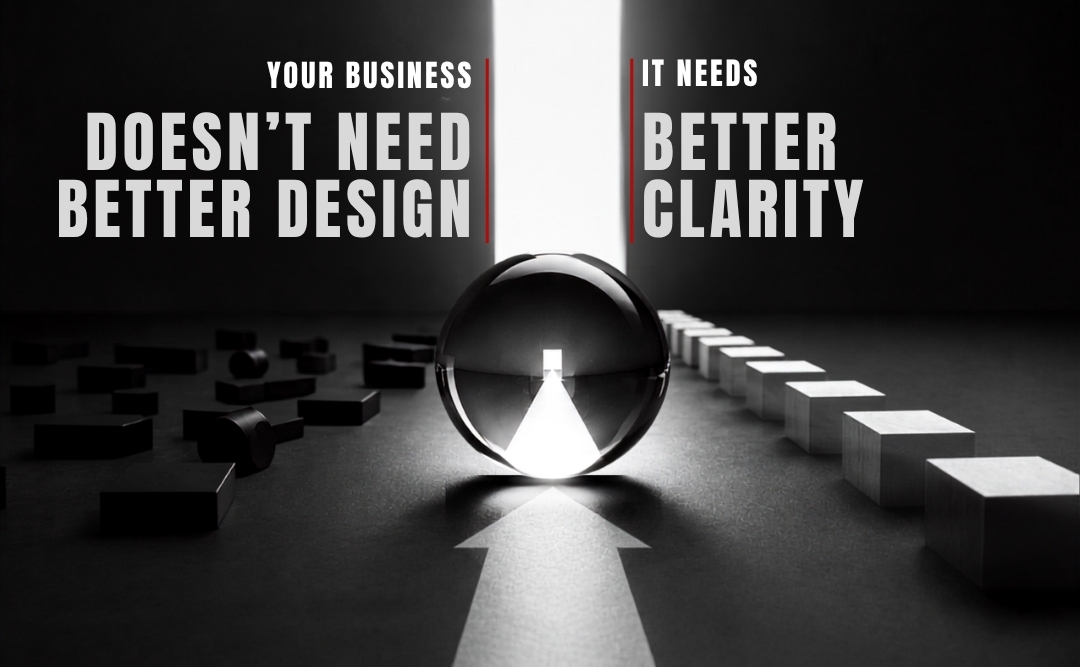
If you want your branding decisions to become clearer and faster, start with clarity before creativity.
Our Recent Blogs :