If Your Brand Disappeared Tomorrow,
What Exactly Would People Miss?
Many businesses invest heavily in marketing, communication, advertising, and digital presence. Campaigns run continuously. Social media remains active. Websites are redesigned. Advertising budgets increase.
From the outside, these activities create the impression of a strong brand.
But there is a deeper question that very few leadership teams pause to ask:
If our brand disappeared tomorrow, what exactly would people miss?
Not what customers might notice temporarily.
Not what marketing activities would stop.
But what real value, distinct perspective, or clear role in the market would actually vanish?
This question exposes the difference between brand visibility and brand strength.

Visibility is Not the Same as Brand Strength
In many organizations, brand discussions revolve around visibility:
- Increasing reach
- Running more campaigns
- Posting more content
- Improving website design
- Expanding digital marketing activity
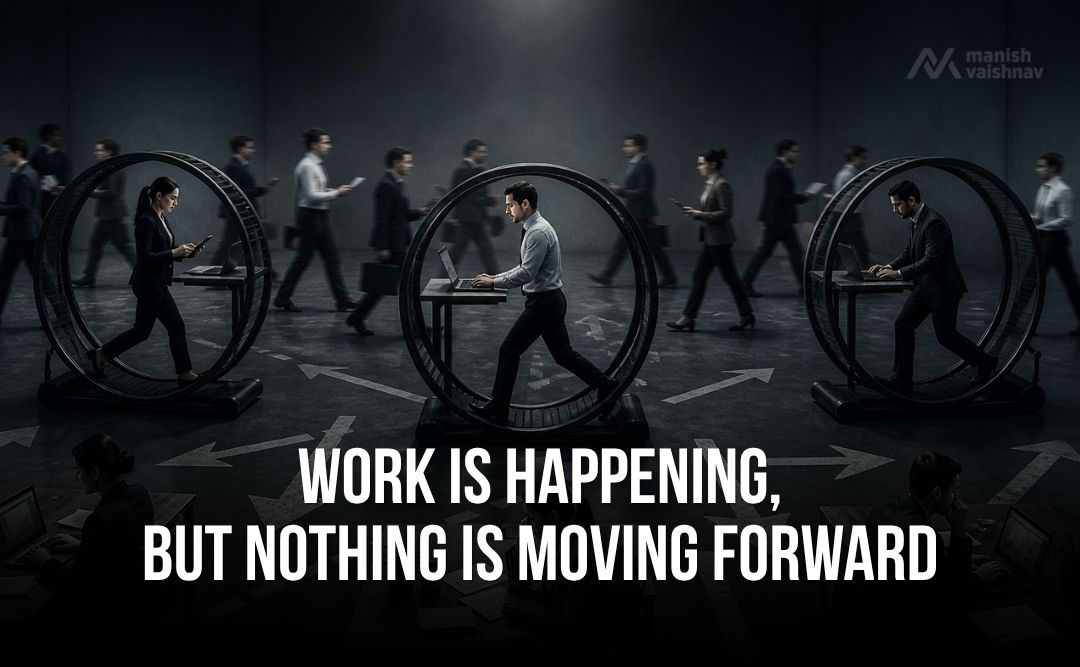
These initiatives can increase awareness. But awareness alone does not create a strong brand.
A business can be visible yet easily replaceable.
When customers can switch to a competitor without hesitation, visibility has not translated into brand strength.
True brand strength exists when the market associates a company with something specific, meaningful, and difficult to substitute.
Without that clarity, marketing activity only amplifies noise.
Marketing Activity vs Brand Definition
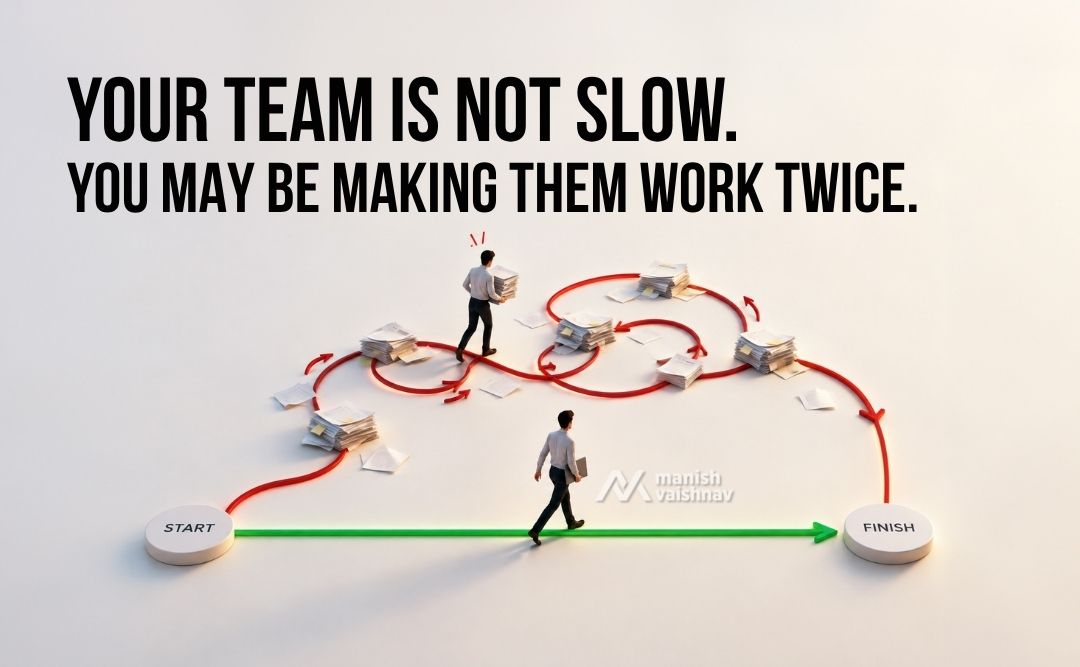
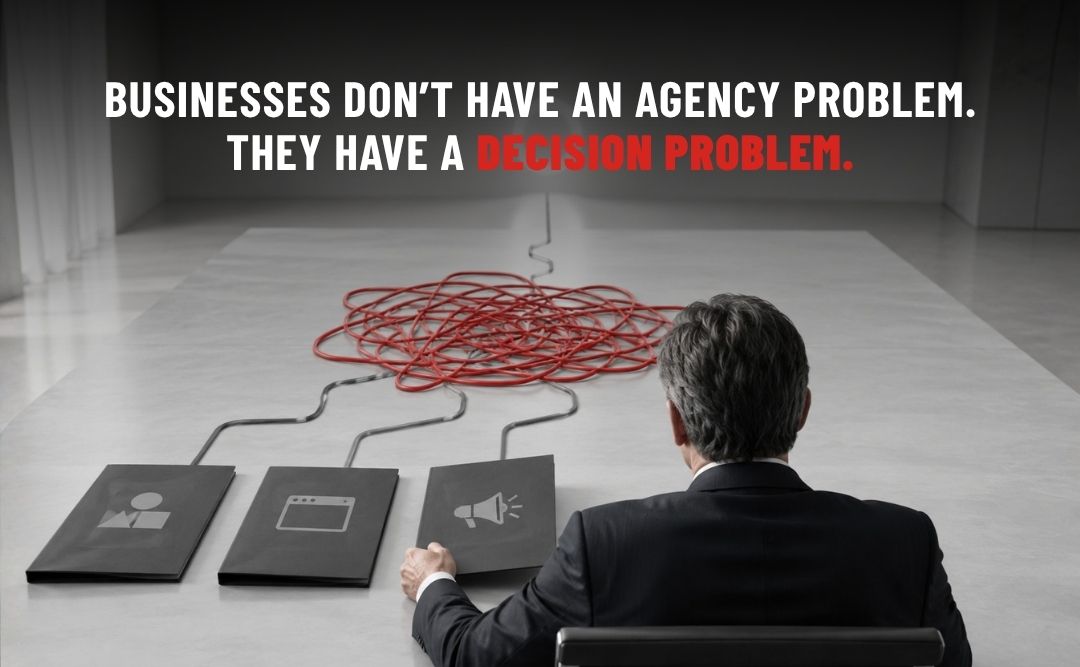
One of the most common strategic mistakes businesses make is confusing marketing execution with brand definition.
Marketing activity focuses on communication.
Brand definition focuses on meaning.
Marketing asks:
- How do we promote this product?
- Which channels should we use?
- How do we generate more leads?
Brand definition asks more fundamental questions:
- Why should this company exist in the first place?
- What distinct value does it bring to the market?
- How is it meaningfully different from alternatives?
When brand definition is weak, marketing becomes reactive. Teams continually try new tactics, hoping that visibility will eventually translate into differentiation.
But marketing cannot create clarity that the organization itself has not defined.
Execution cannot replace strategy. In many cases, organizations need structured consulting to define the brand before executing marketing activity.
A Brand Must Stand for Something Clear
Strong brands are not simply recognized; they are understood.
a principle that applies across industries and business categories. Customers know what they represent.
This does not necessarily mean a brand must be the largest or most innovative. But it must be clear about its role.
For example:
Some brands stand for reliability.
Some stand for design excellence.
Some stand for technical expertise.
Some stand for uncomplicated value.
When this positioning becomes consistent over time, customers begin to associate the brand with a particular kind of promise.
That association becomes the reason people return.
Without such clarity, a brand becomes interchangeable with competitors offering similar products or services.
And interchangeable brands rarely command loyalty or long-term value.

When Brands Become Replaceable
Consider a common situation across many industries.
Two companies offer similar services. Their pricing is comparable. Their websites look professional. Their marketing messages sound almost identical.
Both claim:
- Quality
- Expertise
- Innovation
- Customer focus
Many companies present these claims in their company profiles, brochures, or catalogues, often without clearly explaining how they are meaningfully different.
None of these statements differentiates them.
For customers, choosing between such companies becomes a matter of convenience, timing, or price.
In other words, the brand itself does not influence the decision.
This is what happens when a company invests heavily in activity but avoids the harder work of defining what truly sets it apart.
Without clear positioning, even competent businesses become replaceable.
The Strategic Question Leaders Must Ask
Every leadership team should occasionally pause and confront a simple but revealing question:
If our brand disappeared tomorrow, what would customers genuinely miss?
The answer should go beyond:
- Our advertising
- Our social media presence
- Our marketing campaigns
Customers rarely miss marketing activity.
They miss things like:
- A particular kind of expertise they trusted
- A clear way of solving a specific problem
- A consistent approach that made decisions easier
- A perspective that helped them think differently
When a brand provides this kind of value, its absence becomes noticeable.
When it does not, the market adjusts quickly.

Building a Brand People Would Notice If It Vanished
Creating such a brand requires deliberate leadership choices.
First, organizations must move beyond generic claims about quality or service. These attributes are expected. They do not differentiate.
Second, leadership teams must identify the specific problem their brand solves better than others.
Third, this positioning must guide decisions across communication, design, product development, and customer experience.
Brand strength grows when every interaction reinforces the same underlying idea.
Over time, customers begin to recognize the pattern. The brand becomes associated with a particular kind of clarity or capability.
That recognition cannot be manufactured through campaigns alone. It emerges from consistent strategic choices.
Brand Strength Is Built Through Clarity
When companies ask what customers would miss if they disappeared, the answers reveal whether the brand has real substance.
If the only answers relate to marketing activity, the brand is still defined by promotion rather than meaning.
But when customers point to a distinct capability, perspective, or role the brand plays in their decisions, true brand strength has begun to form.
This clarity is not created overnight. It develops gradually through consistent positioning and disciplined communication.
And once established, it becomes one of the most valuable strategic assets a business can possess.
A Final Reflection
Marketing can create visibility.
Execution can create momentum.
But neither can replace the clarity that defines why a brand matters in the first place.
For leadership teams, the most revealing test remains simple:
If your brand disappeared tomorrow, what exactly would people miss?
If the answer is unclear, the next strategic conversation should not be about campaigns or channels.
It should be about what your brand truly stands for and why the market should notice if it is gone.
Our Recent Blogs :